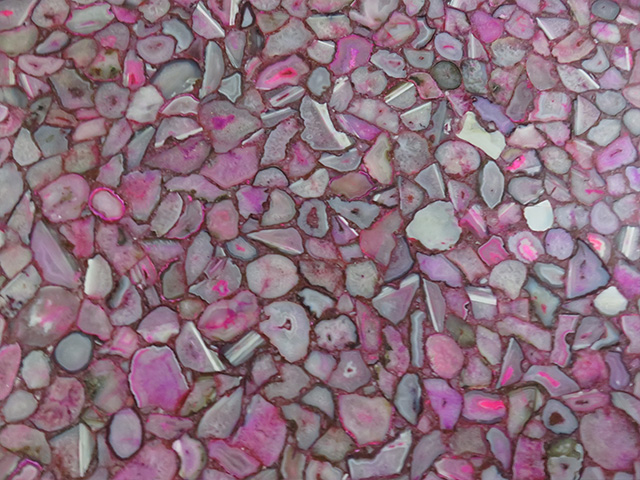
The Beauty and Versatility of Agate: A Complete Guide by Anjili Stones Crafts

Agate is one of the most admired stones in the world of natural decor and jewelry making. Known for its banded patterns, smooth texture, and wide range of colors, this stone has been valued by craftsmen and collectors for thousands of years. At Anjili Stones Crafts, we work closely with this material every day, shaping it into slabs, coasters, bookends, and decorative pieces that bring a touch of nature into homes and offices. In this article, we want to share what makes it so special, how it forms, where it comes from, and why choosing the right partner for sourcing matters when you are looking to buy finished or raw pieces.

Caring for Agate Pieces

Agate is a relatively hard and durable stone, ranking around 6.5 to 7 on the Mohs hardness scale, which makes it suitable for everyday decorative use. Still, a few care practices help maintain its appearance over time:

  • Clean with a soft, damp cloth rather than abrasive scrubbers.
  • Avoid prolonged exposure to direct sunlight, as some dyed varieties may fade slightly over time.
  • Keep away from harsh chemical cleaners, which can dull the polished surface.
  • For larger slabs used as tabletops, occasional resealing of any resin-backed sections can help maintain stability.

With reasonable care, a well-finished piece can retain its color and shine for many years, often becoming a lasting feature in a home or office.

Types of Agate Stone

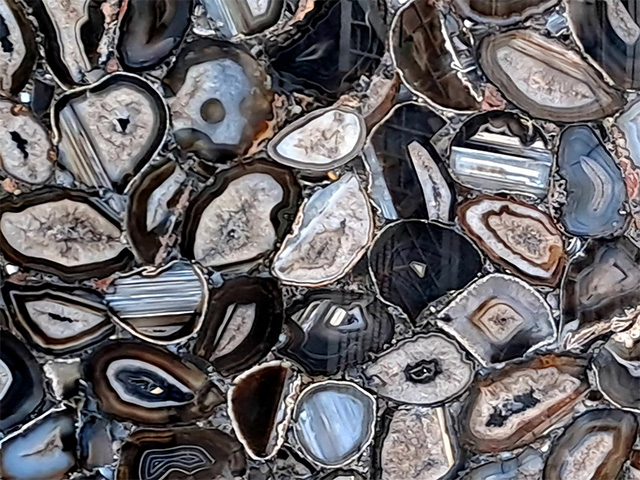
Black agate stone

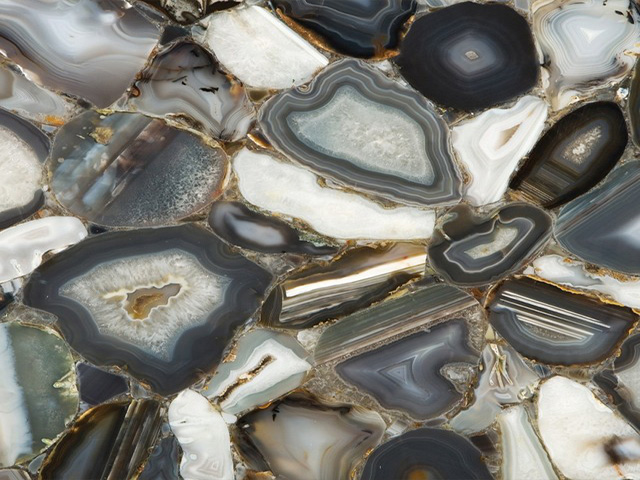
Black agate

Black agate is a variety of chalcedony, which itself belongs to the quartz family.
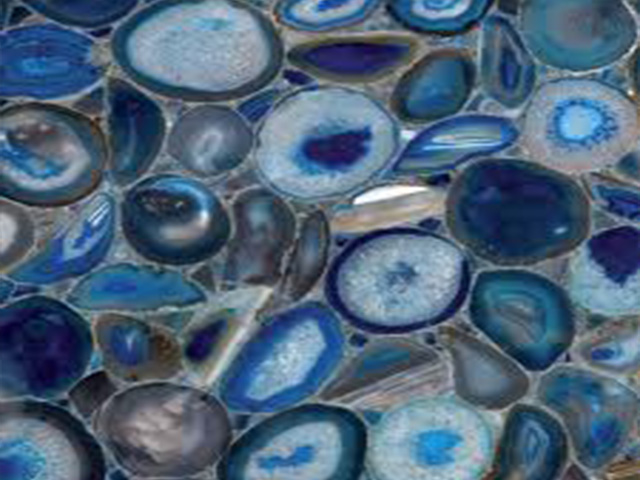
Blue agate stone

Blue agate

The blue colouration in agate comes from a combination of factors..
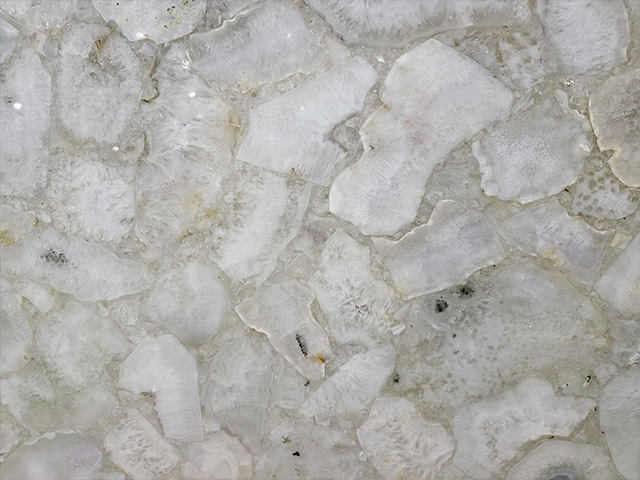
Crystal agate stone

Crystal agate

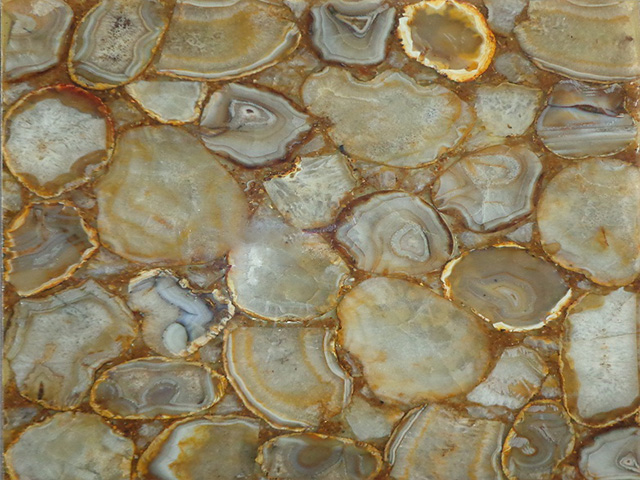
The term “crystal agate” is used in two overlapping ways, and it is worth being clear about both.
Golden agate stone

Golden agate

Golden agate is a variety of chalcedony — the broad family of microcrystalline quartz that includes many of the world’s most beloved banded stones.
Green agate stone

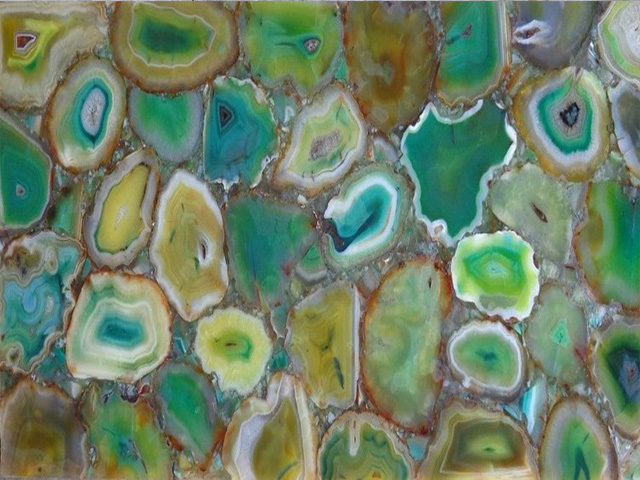
Green agate

Green agate is a variety of chalcedony — the microcrystalline quartz family that encompasses most of the world’s banded stones. L
Grey agate stone

Grey agate

Grey agate is a variety of chalcedony — the microcrystalline quartz family that includes most of the world's banded stones.
Mix agate stone

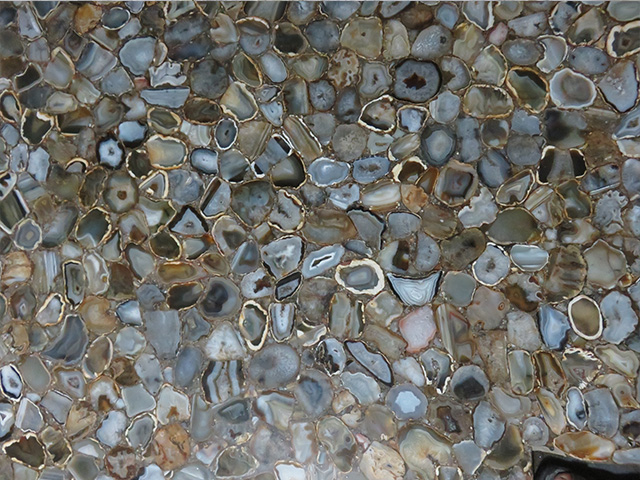
Mix agate

Mix agate refers to a collection of agate pieces — in whatever form, whether beads, cabochons, tumbled stones, or slabs — that intentionally brings together multiple colour varieties and banding patterns within the agate family.
Pink agate stone

Pink agate

Pink agate is a variety of chalcedony — the microcrystalline quartz family that encompasses most of the world's banded stones.

How to Evaluate an Agate Slab Manufacturer

If you are sourcing agate slabs for a business, interior project, or retail collection, the manufacturer you choose plays a significant role in the final outcome. Here are a few things worth considering:

Material Quality – A reliable manufacturer sources raw material from trusted mining regions and inspects each piece before cutting, rejecting stock with structural weaknesses or poor color development.

Cutting Precision – Consistent slab thickness matters, especially for furniture or tiling applications where uneven pieces can cause installation problems.

Polishing Standards – The level of shine and smoothness should be even across the entire surface, without dull patches or visible scratch marks.

Customization Options – Many projects call for specific sizes, shapes, or edge finishes. A manufacturer experienced in custom orders can accommodate architects, interior designers, and retailers with particular requirements.

Packaging and Handling – Since the stone, while hard, can still chip if mishandled, proper packaging during shipping is essential to avoid damage in transit.

At Anjili Stones Crafts, we pay close attention to each of these points, treating every slab as an individual piece rather than a mass-produced item. Our experience working with raw material sourced from established mining regions allows us to offer consistent quality across both small decorative items and larger custom slab orders.

From Rough Stone to Finished Slab

Turning a raw piece of this material into a polished slab is a process that takes patience and a trained eye. It typically involves several stages:

Sourcing and Sorting

Raw nodules are collected and sorted by size, color, and pattern quality. Not every piece is suitable for slab cutting; some are better suited for smaller decorative items.

Cutting

The rough stone is cut using diamond-tipped saws, which can handle the hardness of quartz-based material without shattering the internal structure.

Grinding and Shaping

Once cut, slabs are ground down to an even thickness and shaped according to the intended use, whether that is a tabletop, coaster set, or wall panel.

Polishing

This step brings out the depth of color and gloss the stone is known for. Polishing is usually done in multiple stages, moving from coarser to finer abrasives.

Finishing Touches

 Edges may be smoothed, backed with resin for added stability, or fitted with metal trims depending on the final product.

Each of these steps requires equipment and skill, which is why working with an established agate slab manufacturer rather than an unverified supplier tends to give more consistent results in terms of thickness, polish quality, and structural durability.

Why Choose Anjili Stones Crafts

At Anjili Stones Crafts, our work is rooted in a genuine appreciation for natural stone and the craftsmanship it deserves. We handle every stage of production with attention to detail, from selecting raw material to the final polish, so that each piece reflects both the natural character of the stone and a high standard of finishing. Whether you are looking for a few decorative pieces or planning a larger order that requires the consistency of an established agate slab manufacturer, our team is equipped to guide you through material selection, customization, and timely delivery.

We believe that working with natural stone is as much about respecting its origin as it is about shaping it into something useful and beautiful. That philosophy guides everything we produce, and it’s what we hope comes through in every slab, coaster, or decorative item that leaves our workshop.