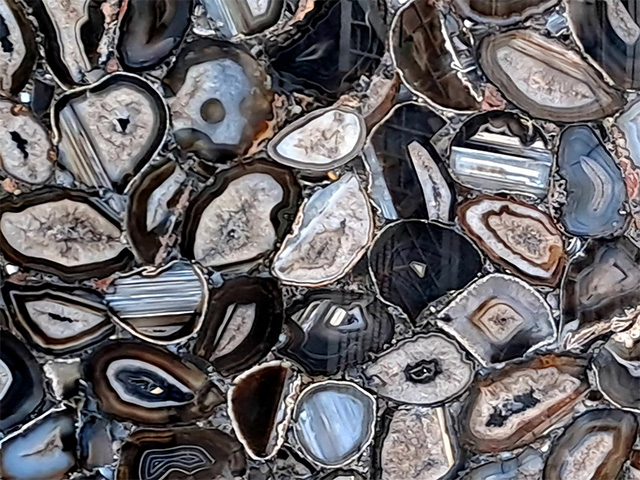
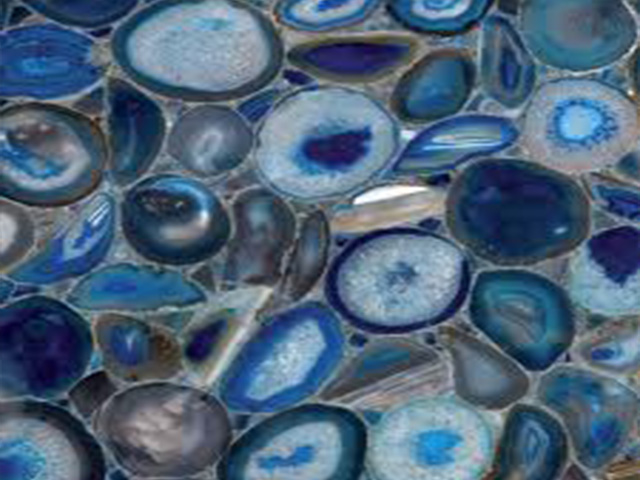
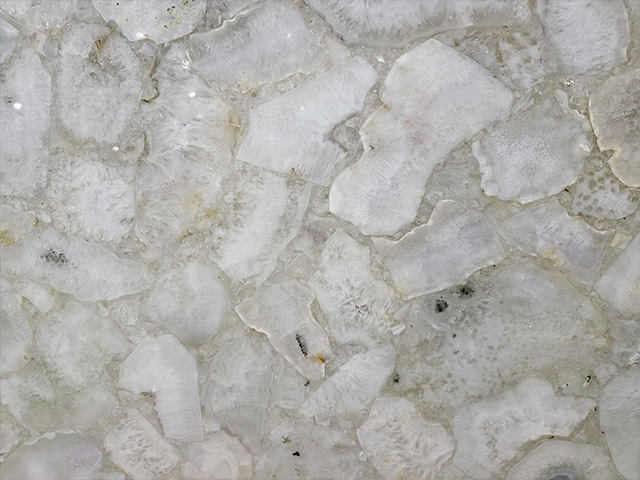
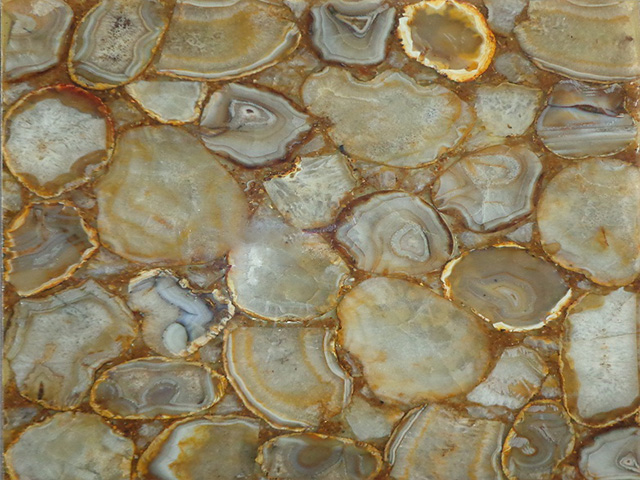
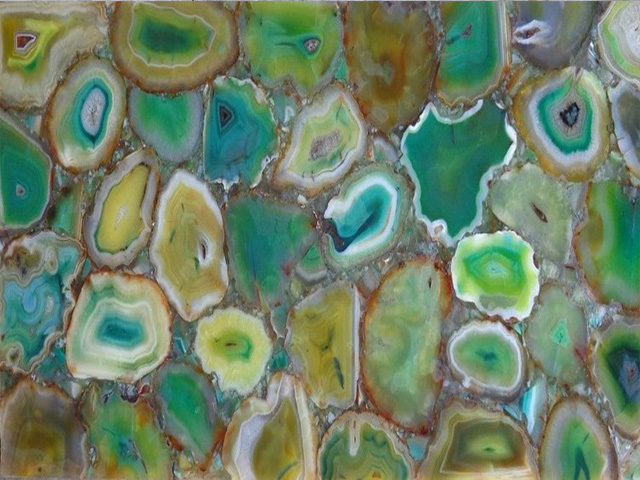
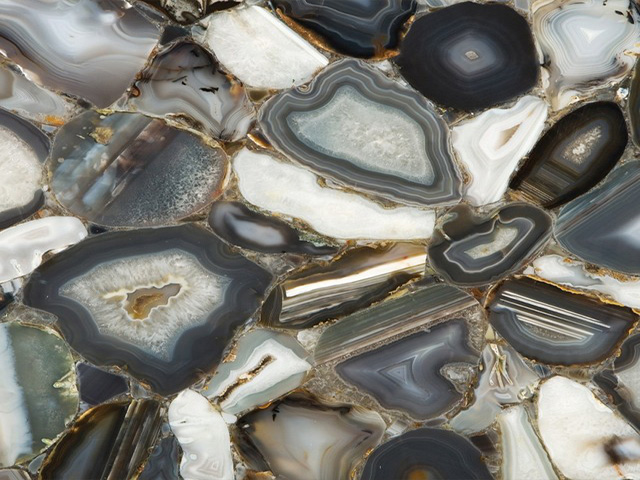
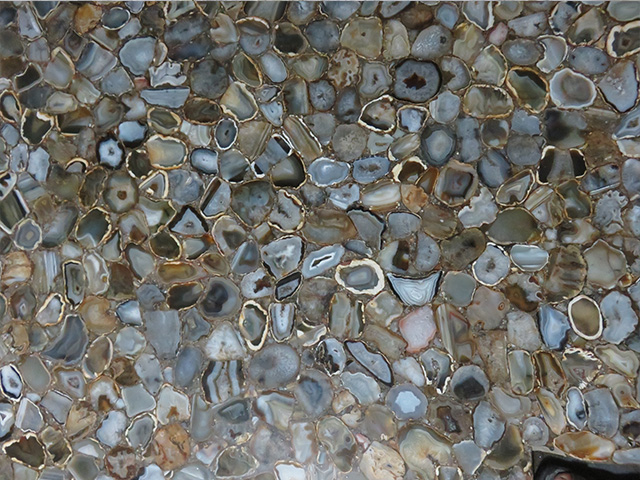
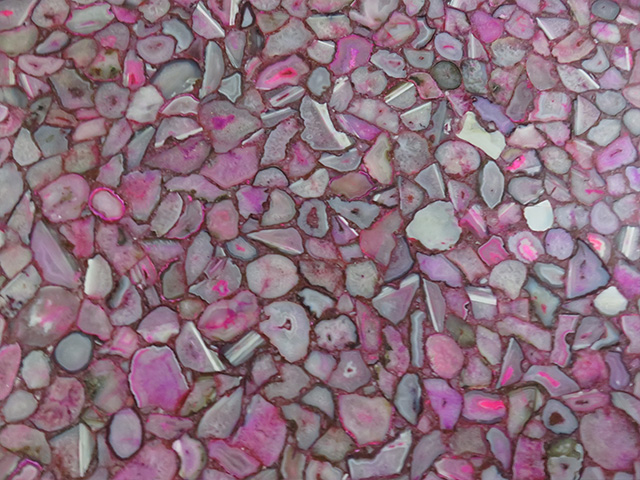
Agate is one of the most admired stones in the world of natural decor and jewelry making. Known for its banded patterns, smooth texture, and wide range of colors, this stone has been valued by craftsmen and collectors for thousands of years. At Anjili Stones Crafts, we work closely with this material every day, shaping it into slabs, coasters, bookends, and decorative pieces that bring a touch of nature into homes and offices. In this article, we want to share what makes it so special, how it forms, where it comes from, and why choosing the right partner for sourcing matters when you are looking to buy finished or raw pieces.
Agate belongs to the chalcedony family, which is itself a variety of quartz. What sets it apart from other quartz minerals is its distinctive banded or layered appearance. These bands form over long periods of time as silica-rich groundwater seeps into cavities within volcanic rock, depositing thin layers of mineral material one after another. Each layer can carry a slightly different mineral composition or trace element, which is why a single piece often displays a rainbow of colors moving from edge to edge.
No two pieces are ever exactly alike. The pattern, thickness of the bands, and color combinations depend entirely on the geological conditions present at the time of formation. Some pieces show tight, ribbon-like bands, while others reveal broader, cloud-like patterns. This natural variation is part of what makes the stone so appealing for decorative use; every slab tells its own story.
Agate deposits exist on nearly every continent, but certain regions are particularly well known for producing high-quality material. India, especially the state of Gujarat, has long been recognized as a major source, with the Khambhat region historically famous for its cutting and polishing traditions that go back centuries. Brazil is another significant source, producing large geode formations that are sliced to reveal stunning internal patterns. Other notable locations include Madagascar, Uruguay, the United States, and parts of Africa.
India’s agate industry has grown into a well-established craft, passed down through generations of artisans who understand how to cut a rough stone in a way that brings out its best features. This deep regional expertise is part of what shapes the quality standards followed by an experienced agate slab manufacturer working out of this tradition.
Agate is a relatively hard and durable stone, ranking around 6.5 to 7 on the Mohs hardness scale, which makes it suitable for everyday decorative use. Still, a few care practices help maintain its appearance over time:
With reasonable care, a well-finished piece can retain its color and shine for many years, often becoming a lasting feature in a home or office.
Material Quality – A reliable manufacturer sources raw material from trusted mining regions and inspects each piece before cutting, rejecting stock with structural weaknesses or poor color development.
Cutting Precision – Consistent slab thickness matters, especially for furniture or tiling applications where uneven pieces can cause installation problems.
Polishing Standards – The level of shine and smoothness should be even across the entire surface, without dull patches or visible scratch marks.
Customization Options – Many projects call for specific sizes, shapes, or edge finishes. A manufacturer experienced in custom orders can accommodate architects, interior designers, and retailers with particular requirements.
Packaging and Handling – Since the stone, while hard, can still chip if mishandled, proper packaging during shipping is essential to avoid damage in transit.
At Anjili Stones Crafts, we pay close attention to each of these points, treating every slab as an individual piece rather than a mass-produced item. Our experience working with raw material sourced from established mining regions allows us to offer consistent quality across both small decorative items and larger custom slab orders.
Raw nodules are collected and sorted by size, color, and pattern quality. Not every piece is suitable for slab cutting; some are better suited for smaller decorative items.
The rough stone is cut using diamond-tipped saws, which can handle the hardness of quartz-based material without shattering the internal structure.
Once cut, slabs are ground down to an even thickness and shaped according to the intended use, whether that is a tabletop, coaster set, or wall panel.
This step brings out the depth of color and gloss the stone is known for. Polishing is usually done in multiple stages, moving from coarser to finer abrasives.
Edges may be smoothed, backed with resin for added stability, or fitted with metal trims depending on the final product.
Each of these steps requires equipment and skill, which is why working with an established agate slab manufacturer rather than an unverified supplier tends to give more consistent results in terms of thickness, polish quality, and structural durability.
At Anjili Stones Crafts, our work is rooted in a genuine appreciation for natural stone and the craftsmanship it deserves. We handle every stage of production with attention to detail, from selecting raw material to the final polish, so that each piece reflects both the natural character of the stone and a high standard of finishing. Whether you are looking for a few decorative pieces or planning a larger order that requires the consistency of an established agate slab manufacturer, our team is equipped to guide you through material selection, customization, and timely delivery.
We believe that working with natural stone is as much about respecting its origin as it is about shaping it into something useful and beautiful. That philosophy guides everything we produce, and it’s what we hope comes through in every slab, coaster, or decorative item that leaves our workshop.
“Crafted with Passion, Shaped by Nature.”
Copyright © Anjili Stones Crafts | All rights reserved.
WhatsApp us