Not every stone announces its value immediately. Some reveal themselves slowly — through the warmth they bring to a room, the way they catch afternoon light, the quiet satisfaction of holding something that feels both ancient and alive. Golden agate is one of those stones. It does not dazzle on first contact. It settles in, and over time it becomes one of those objects you keep reaching for.
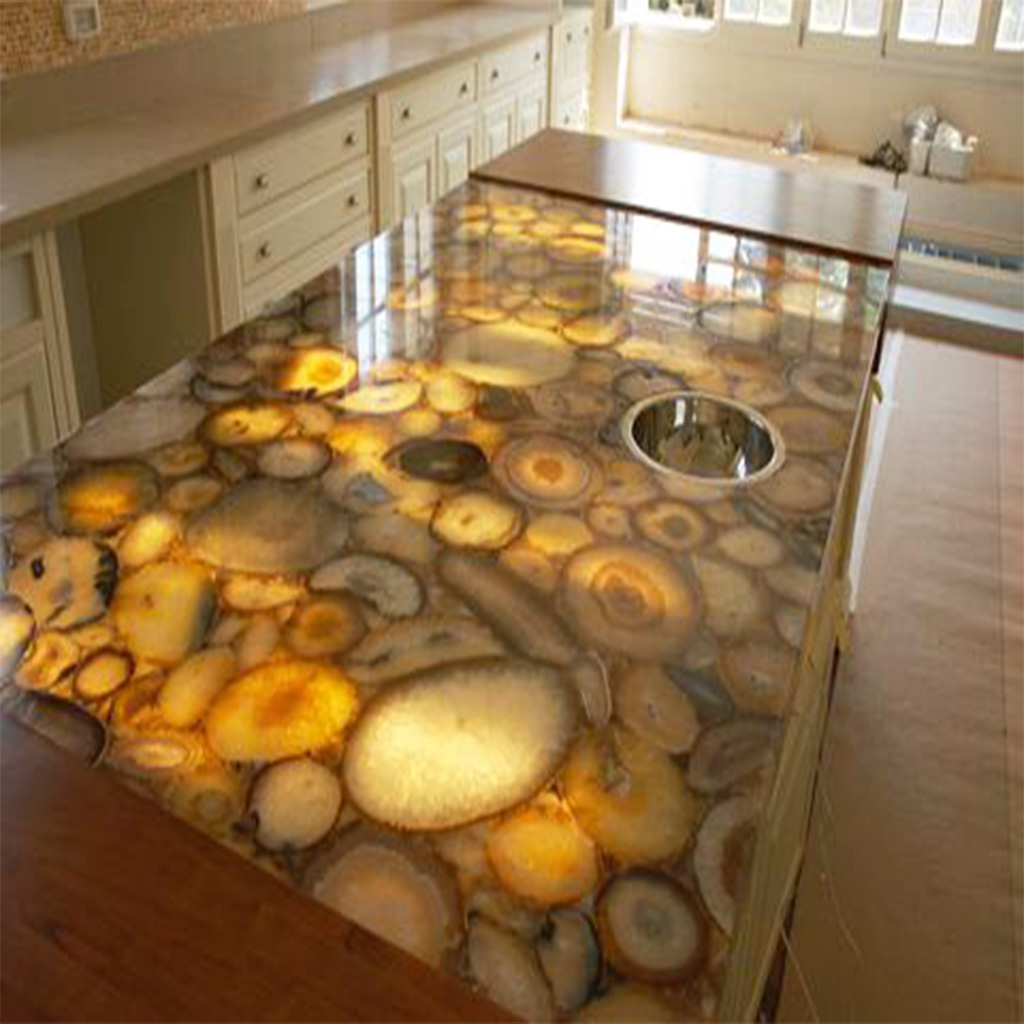
At Anjili Stones Crafts, we have worked with golden agate across a wide range of applications — from individual jewellery pieces to large decorative installations — and our appreciation for it has only grown. This piece is our honest account of what this stone is, where it comes from, what makes a good specimen, and why it continues to find a place in collections, homes, and jewellery boxes around the world.
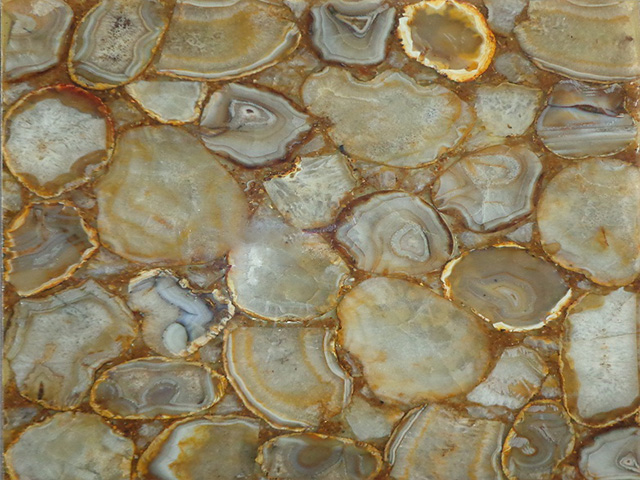
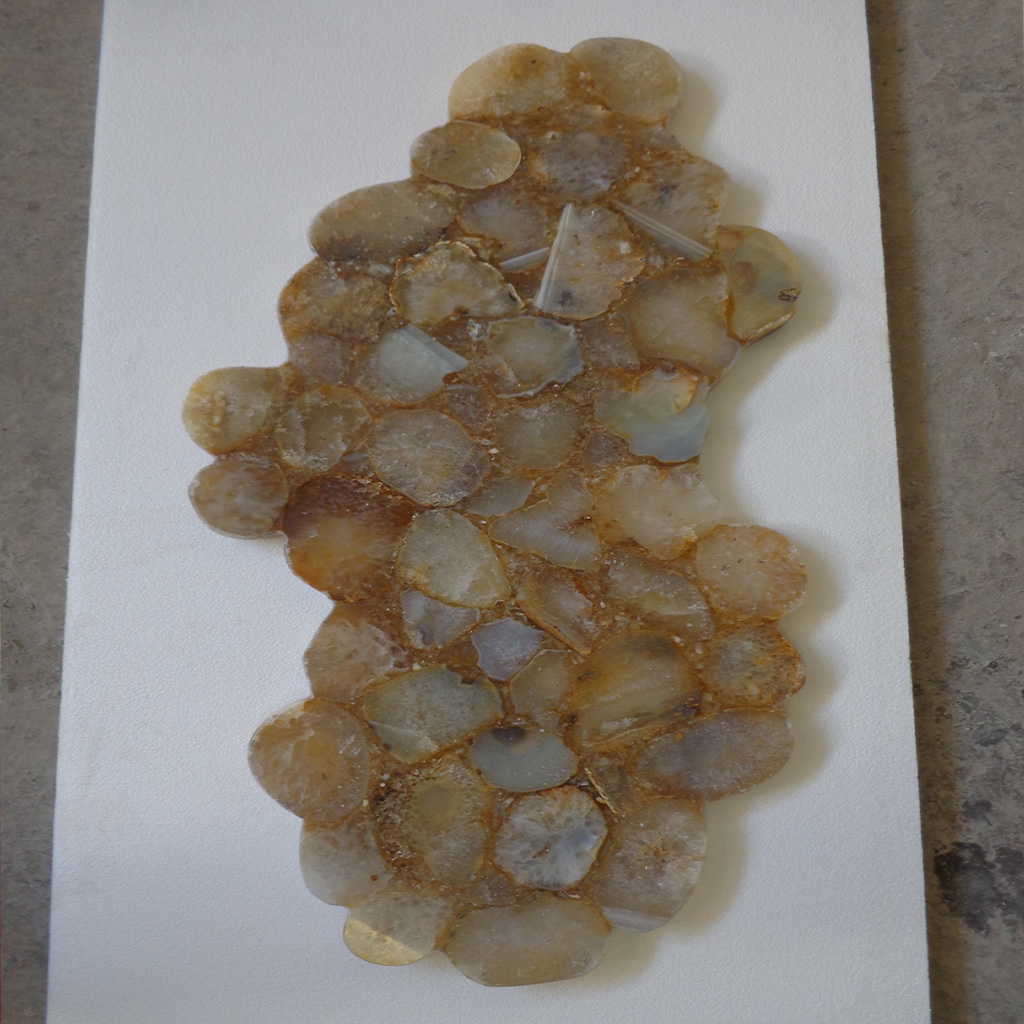
Golden agate is a variety of chalcedony — the broad family of microcrystalline quartz that includes many of the world’s most beloved banded stones. Like all agates, it forms through a process of silica-rich water slowly depositing layers of chalcedony inside rock cavities over extended geological time. What sets golden agate apart from other members of the agate family is its colour: warm tones ranging from pale honey and soft amber through to deep caramel, burnt gold, and rich ochre.
These warm hues are produced primarily by iron oxide minerals — the same family of compounds responsible for the reds and browns in many agates and jaspers. The specific shade depends on the form and concentration of iron oxide present during formation. Goethite and limonite, two common iron-bearing minerals, are frequently responsible for the golden yellow to amber tones. Small variations in their concentration, combined with the layered structure of agate formation, produce the characteristic banding that gives golden agate its visual depth.
As with many agate varieties, golden agate is sometimes heat-treated or dyed to intensify its colour. Natural specimens exist — indeed, some deposits produce beautiful, consistent golden colouration without any treatment — but treated stones are common in the market and entirely acceptable. At Anjili Stones Crafts, we are clear with our customers about treatment status, because an informed purchase is a better purchase.
“Crafted with Passion, Shaped by Nature.”
Copyright © Anjili Stones Crafts | All rights reserved.
WhatsApp us