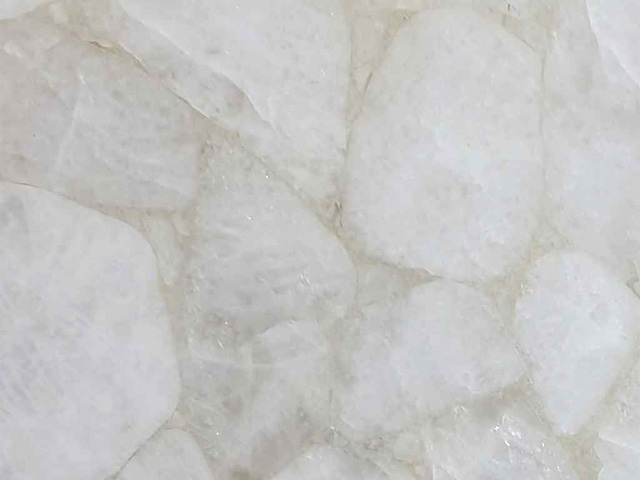
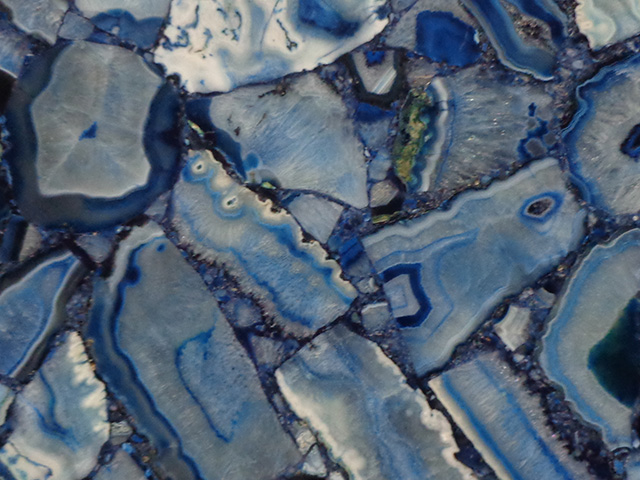
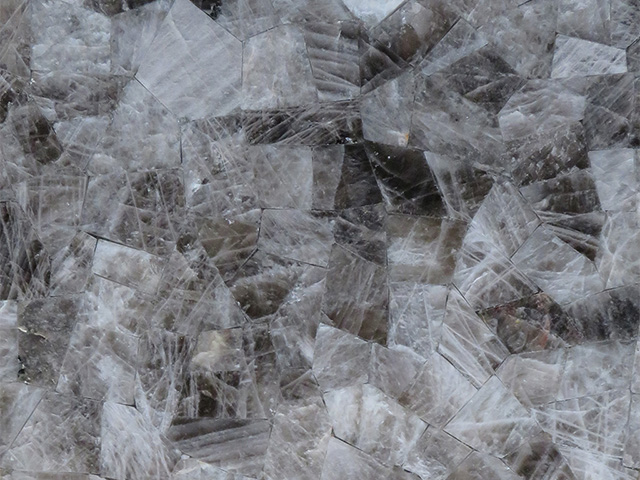
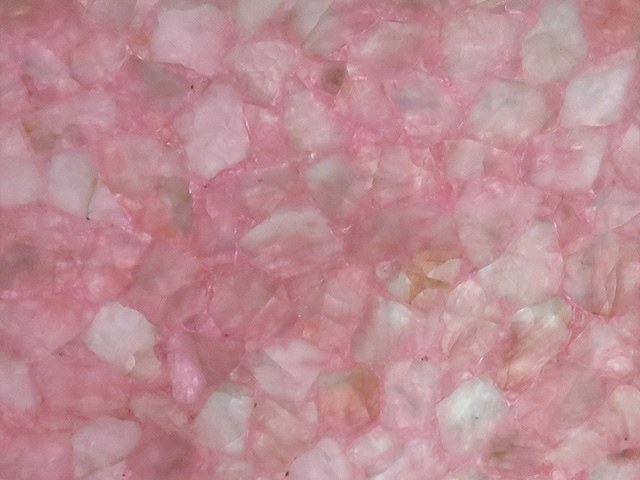
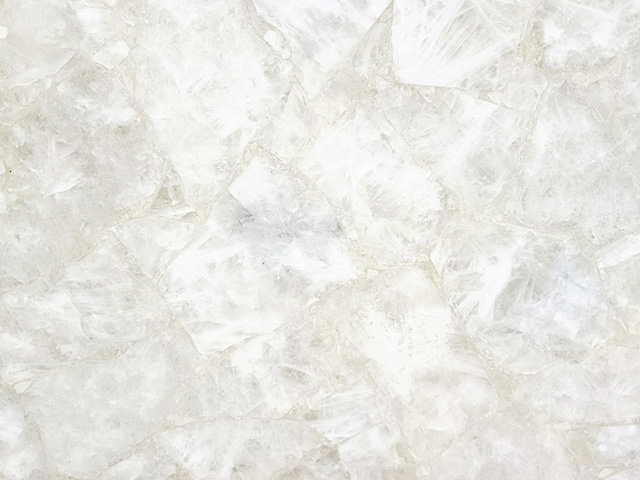
Few minerals are as widely recognized or as widely used as quartz. It appears in jewelry boxes, on kitchen countertops, in science classrooms, and in the hands of collectors who simply enjoy its clarity and shine. At Anjili Stones Crafts, we work with this mineral regularly, shaping raw pieces into polished decor, slabs, and gift items. In this article, we want to walk through what makes this material so common yet so valued, the different forms it takes, and how a stone like rose quartz earns its own dedicated following among collectors and designers alike.
Quartz is one of the most abundant minerals found in the earth’s crust, made up of silicon and oxygen atoms arranged in a continuous framework. This simple chemical structure is part of why it appears almost everywhere in nature, from sandy beaches to granite mountains. Despite being so common, individual specimens can vary enormously in appearance depending on the conditions under which they formed, the temperature, pressure, and trace minerals present during crystallization.
When this mineral forms slowly inside cavities in rock, it often develops into well-defined crystal points with flat faces and sharp terminations. A quartz crystal of this kind can range from a few millimeters to several feet in length, and the clearest, most symmetrical specimens are often prized by collectors and used in display pieces.
People have valued this mineral for thousands of years, long before modern science could explain why it forms the way it does. Ancient civilizations across Egypt, Greece, and China carved it into beads, seals, and ceremonial objects, often believing it carried protective or healing properties. The Greeks are said to have believed clear specimens were a form of permanently frozen ice, which is actually where the word “crystal” originates, derived from the Greek term for ice. During the Renaissance, skilled lapidaries in Europe began cutting and polishing larger pieces into decorative objects for wealthy patrons, a tradition that laid the groundwork for the cutting and faceting techniques still used today.
In more recent history, the discovery of this mineral’s piezoelectric properties in the early twentieth century opened up an entirely new set of applications in timekeeping and electronics, transforming it from a purely decorative material into something essential for modern technology. This dual identity, valued both for its beauty and its practical utility, is part of what makes it such an enduring and widely used material across cultures and centuries.
Although durable, polished pieces benefit from a bit of routine care to keep their shine over time:
With reasonable care, a well-finished piece can retain its beauty for generations, often becoming something passed down or kept as a long-term decorative feature.
Each of these varieties has carved out its own place in jewelry making, home decor, and even spiritual practice, with rose quartz being one of the most consistently popular choices for decorative pieces.
Among all the varieties, rose quartz holds a special place for many people. Its soft, gentle pink shade makes it a favorite for jewelry, home accents, and gift items meant to feel warm and approachable rather than bold or dramatic. Unlike some other colored varieties, rose quartz rarely forms into well-defined crystal points; instead, it is typically found in massive form, meaning large chunks without distinct crystal faces, which is why it is most often cut and polished into shapes like spheres, hearts, and smooth tumbled stones rather than left in its natural rough state.
This variety is mined in several locations around the world, including Brazil, Madagascar, India, and South Africa. The quality of the material can vary from translucent, almost glassy pieces to more opaque, cloudy material, and the better-quality rough stock is generally reserved for larger decorative carvings or polished slabs where the color and clarity can really stand out.
Raw material is selected based on clarity, color consistency, and size, with attention paid to any internal fractures that might affect the final piece.
Using diamond-tipped saws, the rough stone is cut into workable sections or slabs, since the natural hardness of this mineral requires specialized equipment.
Pieces are shaped according to their intended use, whether that means tumbling stones for jewelry, carving decorative shapes, or cutting flat slabs for tabletops.
Multiple polishing stages bring out the natural shine, moving from coarse to fine abrasives until the surface reaches a smooth, glassy finish.
Depending on the final product, pieces may be set into jewelry findings, mounted on stands, or backed with resin for added durability in larger slabs.
Because this mineral ranks 7 on the Mohs hardness scale, it holds up well to regular use and polishing without losing its shine over time, which makes it a practical choice for both decorative and functional items.
This versatile material shows up in far more places than most people realize:
The distinction between natural quartz stone used in its raw mineral form and the engineered quartz stone used in modern countertops is worth understanding, since the latter is a manufactured material that uses crushed natural stone combined with binding agents to create a more uniform, durable surface for heavy daily use.
Whether you are sourcing rough material, polished decor, or slabs for a larger project, a few factors are worth paying attention to:
Clarity and Color – For varieties like rose quartz, even, consistent color without visible cracks or cloudiness generally indicates higher quality material.
Cutting and Finishing – A well-finished piece should have an even polish with no rough or dull patches, and edges on slabs should be smooth and consistent.
Source Transparency – Knowing where the raw material comes from can give a better sense of overall quality, since certain mining regions are known for producing more consistent, higher-grade stock.
Intended Use – Decorative carvings, jewelry-grade pieces, and slab work all require different grades of material, so it helps to be clear about the final application before selecting raw stock.
At Anjili Stones Crafts, we pay close attention to each of these points across every project we take on, whether it is a small decorative item or a larger custom order involving polished slabs.
At Anjili Stones Crafts, our approach centers on respecting the natural character of every piece we work with. From selecting raw rough material to the final polish, we aim for consistency, attention to detail, and a finished product that genuinely reflects the qualities people look for in natural stone. Whether you are interested in rose quartz decor, polished display pieces, or larger custom slab work, our team brings hands-on experience to every stage of the process, helping ensure the final result meets both aesthetic and practical expectations.
“Crafted with Passion, Shaped by Nature.”
Copyright © Anjili Stones Crafts | All rights reserved.
WhatsApp us