Understanding Quartz: A Guide by Anjili Stones Crafts

Few minerals are as widely recognized or as widely used as quartz. It appears in jewelry boxes, on kitchen countertops, in science classrooms, and in the hands of collectors who simply enjoy its clarity and shine. At Anjili Stones Crafts, we work with this mineral regularly, shaping raw pieces into polished decor, slabs, and gift items. In this article, we want to walk through what makes this material so common yet so valued, the different forms it takes, and how a stone like rose quartz earns its own dedicated following among collectors and designers alike.

Types of Quartz Stone

White Quartz Stone

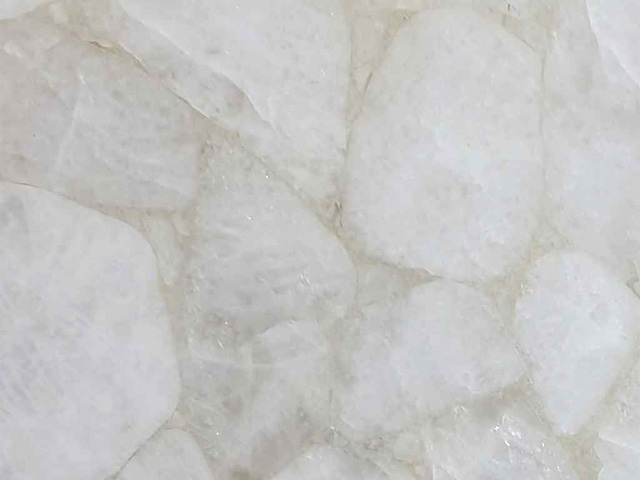
White Quartz

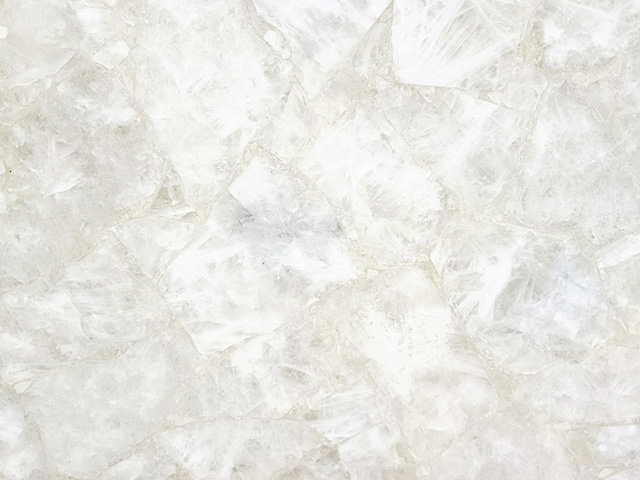
White quartz refers specifically to quartz that is white in colour, a result of light scattering through microscopic inclusions, fractures, or structural irregularities within the crystal lattice.
Blue Quartz Stone

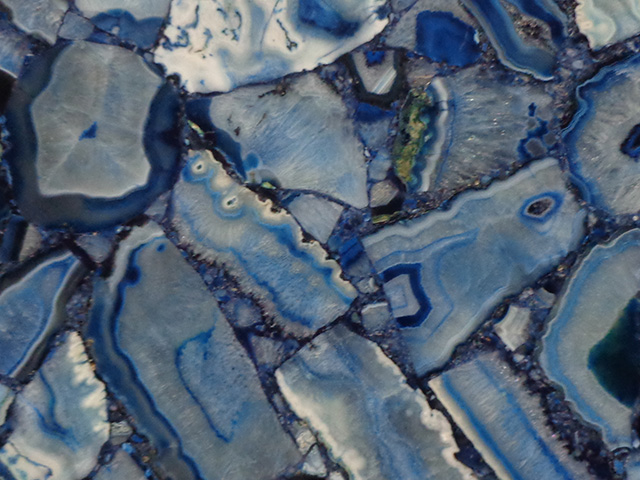
Blue Quartz

Click edit to change this text. Lorem ipsum dolor sit amet, cctetur adipiscing elit. Ut elit tellus, luctus nec ullamcorper mattis, pulvinar dapibus leo.
Smoky Quartz Stone

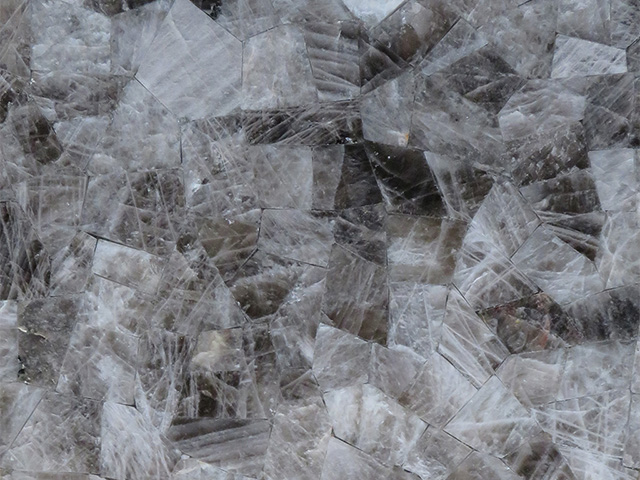
Smoky Quartz

Smoky quartz is a variety of crystalline quartz — silicon dioxide in its macrocrystalline form — in which the normally colourless crystal appears in shades ranging from pale grey-brown through warm honey-brown to deep, almost black tones.
Rose Quartz Stone

Rose Quartz

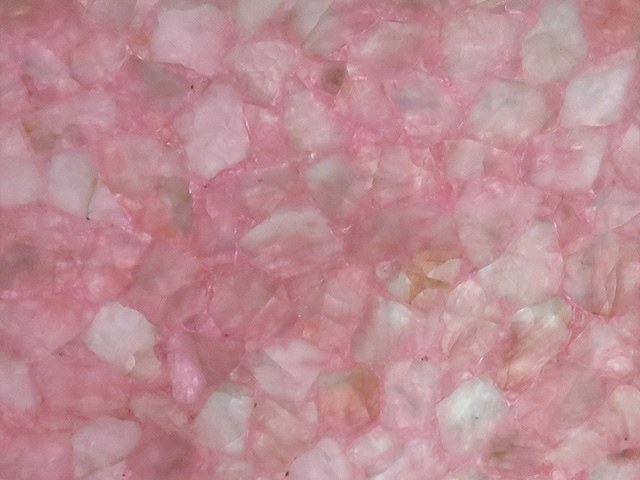
Rose quartz is a variety of crystalline quartz — silicon dioxide — distinguished by its characteristic pale to medium pink colour.
Crystal Quartz Stone

Crystal Quartz

Crystal Quartz is one of the purest and most transparent forms of natural quartz, a mineral composed primarily of silicon dioxide (SiO₂).

How Color Develops

In its purest form, this mineral is colorless and transparent, sometimes called clear or rock crystal. However, trace elements and natural irradiation during formation can introduce a wide range of colors:
  • Smoky Quartz – brownish-grey shades caused by natural irradiation interacting with trace aluminum.
  • Rose Quartz – soft pink coloring, generally attributed to trace amounts of titanium, iron, or manganese within the crystal lattice.
  • Milky Quartz – a cloudy white appearance caused by tiny fluid or gas inclusions trapped during formation.

Each of these varieties has carved out its own place in jewelry making, home decor, and even spiritual practice, with rose quartz being one of the most consistently popular choices for decorative pieces.

Rose Quartz: A Closer Look

Among all the varieties, rose quartz holds a special place for many people. Its soft, gentle pink shade makes it a favorite for jewelry, home accents, and gift items meant to feel warm and approachable rather than bold or dramatic. Unlike some other colored varieties, rose quartz rarely forms into well-defined crystal points; instead, it is typically found in massive form, meaning large chunks without distinct crystal faces, which is why it is most often cut and polished into shapes like spheres, hearts, and smooth tumbled stones rather than left in its natural rough state.

This variety is mined in several locations around the world, including Brazil, Madagascar, India, and South Africa. The quality of the material can vary from translucent, almost glassy pieces to more opaque, cloudy material, and the better-quality rough stock is generally reserved for larger decorative carvings or polished slabs where the color and clarity can really stand out.

From Raw Mineral to Finished Piece

Turning rough material into a polished product involves several careful steps, regardless of which variety is being worked with:

Sourcing

Raw material is selected based on clarity, color consistency, and size, with attention paid to any internal fractures that might affect the final piece.

Cutting

Using diamond-tipped saws, the rough stone is cut into workable sections or slabs, since the natural hardness of this mineral requires specialized equipment.

Shaping

Pieces are shaped according to their intended use, whether that means tumbling stones for jewelry, carving decorative shapes, or cutting flat slabs for tabletops.

Polishing

Multiple polishing stages bring out the natural shine, moving from coarse to fine abrasives until the surface reaches a smooth, glassy finish.

Finishing

Depending on the final product, pieces may be set into jewelry findings, mounted on stands, or backed with resin for added durability in larger slabs.

Because this mineral ranks 7 on the Mohs hardness scale, it holds up well to regular use and polishing without losing its shine over time, which makes it a practical choice for both decorative and functional items.

Common Uses

This versatile material shows up in far more places than most people realize:

  • Jewelry – Faceted or tumbled pieces are used in rings, pendants, and bracelets, with rose quartz being a particularly common choice for everyday wear.
  • Home Decor – Polished spheres, bookends, and decorative clusters bring a natural touch to shelves and tabletops.
  • Countertops and Surfaces – Engineered quartz stone, made by combining crushed natural material with resin binders, has become a popular alternative to granite and marble for kitchens and bathrooms due to its durability and low maintenance.
  • Technology – The mineral’s piezoelectric properties, meaning it generates an electrical charge when compressed, make it essential in watches, oscillators, and various electronic components.
  • Wellness and Display – Many people keep tumbled or polished pieces simply for their appearance, often arranging them as part of a personal collection or as accent pieces around the home.

The distinction between natural quartz stone used in its raw mineral form and the engineered quartz stone used in modern countertops is worth understanding, since the latter is a manufactured material that uses crushed natural stone combined with binding agents to create a more uniform, durable surface for heavy daily use.

Choosing Quality Material

Whether you are sourcing rough material, polished decor, or slabs for a larger project, a few factors are worth paying attention to:

Clarity and Color – For varieties like rose quartz, even, consistent color without visible cracks or cloudiness generally indicates higher quality material.

Cutting and Finishing – A well-finished piece should have an even polish with no rough or dull patches, and edges on slabs should be smooth and consistent.

Source Transparency – Knowing where the raw material comes from can give a better sense of overall quality, since certain mining regions are known for producing more consistent, higher-grade stock.

Intended Use – Decorative carvings, jewelry-grade pieces, and slab work all require different grades of material, so it helps to be clear about the final application before selecting raw stock.

At Anjili Stones Crafts, we pay close attention to each of these points across every project we take on, whether it is a small decorative item or a larger custom order involving polished slabs.

Why Choose Anjili Stones Crafts

At Anjili Stones Crafts, our approach centers on respecting the natural character of every piece we work with. From selecting raw rough material to the final polish, we aim for consistency, attention to detail, and a finished product that genuinely reflects the qualities people look for in natural stone. Whether you are interested in rose quartz decor, polished display pieces, or larger custom slab work, our team brings hands-on experience to every stage of the process, helping ensure the final result meets both aesthetic and practical expectations.