There is something about green in a natural material that feels fundamentally different from green in a manufactured one. The colour carries weight. It reads as alive rather than applied, organic rather than chosen from a palette. Green agate has this quality in full — a depth and variation of tone that keeps drawing the eye back, that looks different in morning light than it does in the evening, and that tends to feel more interesting the longer you spend with it.
At Anjili Stones Crafts, green agate is one of the materials that generates the most consistent interest from our customers — both those who are new to natural stone and those who have been collecting and working with it for years. This piece is our attempt to share what we know about it honestly: what it is, how it forms, where it comes from, what distinguishes good material from lesser, and how it performs across its many applications.
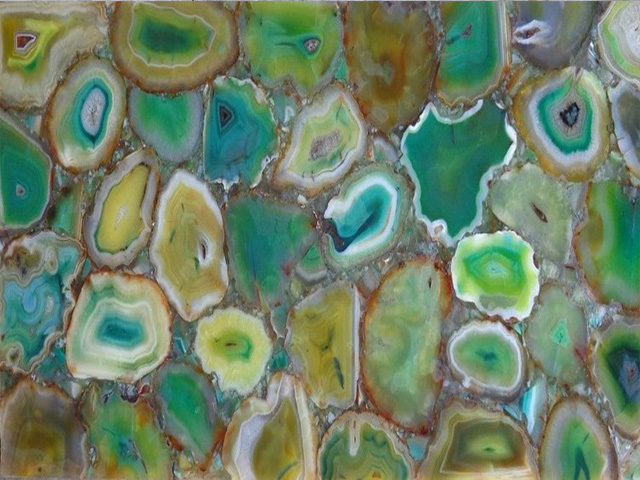
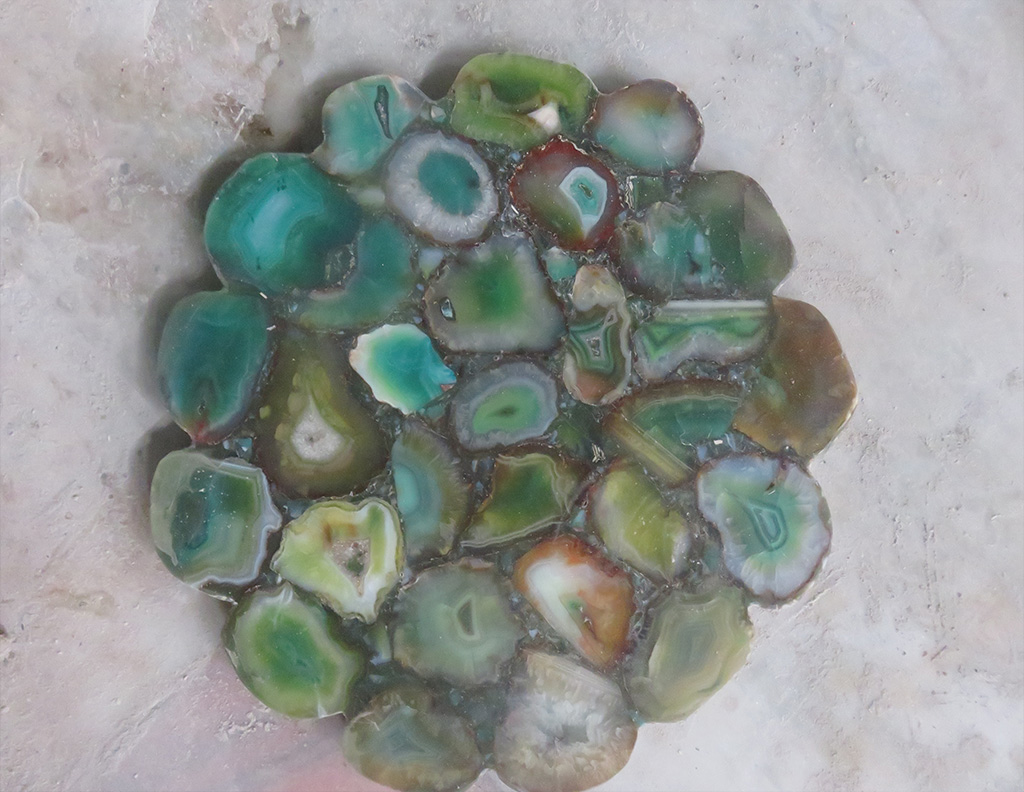
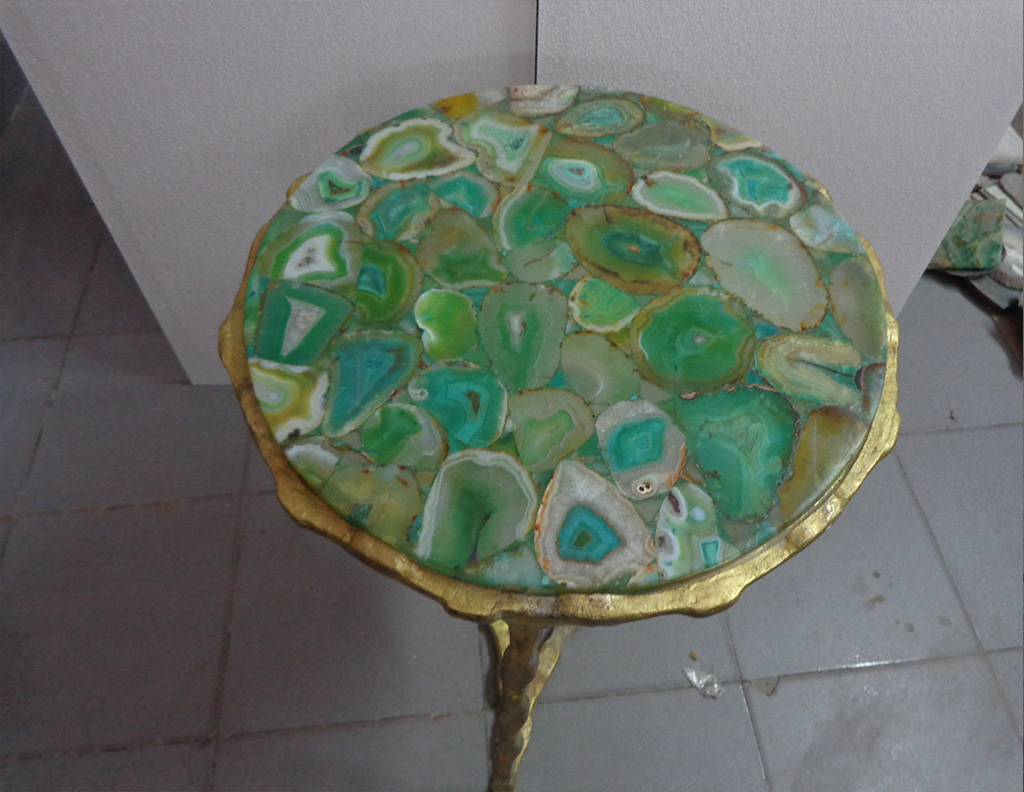
Green agate is a variety of chalcedony — the microcrystalline quartz family that encompasses most of the world’s banded stones. Like all agates, it forms through the slow deposition of silica-rich layers inside rock cavities over geological time. What makes green agate distinctive within this family is, of course, its colour: a range of greens that spans from pale sage and soft celadon through to vivid emerald, deep forest green, and rich moss-toned specimens.
The green colouration in agate comes primarily from the presence of chlorite minerals, celadonite, or iron silicate compounds incorporated into the chalcedony during formation. In some cases, nickel compounds contribute a brighter, more saturated green. The specific minerals present, their concentration, and their distribution across the banding layers all influence the final colour — which is why green agate specimens can look so different from one another even when they come from the same deposit.
It is worth being direct about one thing: a significant proportion of the green agate available in the market has been dyed. Natural green agate exists and is genuinely beautiful, but the vivid, uniform greens that are most visually striking are usually the result of treatment. This is standard practice and does not diminish the stone’s physical qualities — its hardness, workability, and durability remain unchanged. At Anjili Stones Crafts, we believe in being clear with our customers about whether a piece is naturally coloured or treated, because that information is part of understanding what you are buying.
“Crafted with Passion, Shaped by Nature.”
Copyright © Anjili Stones Crafts | All rights reserved.
WhatsApp us