There is a kind of pleasure that comes from a collection rather than a single piece. A single colour tells one story. A range of colours, each distinct and yet clearly related, tells something richer — about the breadth of what a material can be, about the variety that nature produces within a single stone family, about the possibilities that open up when you are not limited to one choice.
Mix agate is exactly this. It is not a single stone variety but a considered bringing together of agate specimens across multiple colours, patterns, and formations — sourced, finished, and presented as a collection that works precisely because of its variety. At Anjili Stones Crafts, mix agate is one of our most consistently requested offerings, and not only from customers who are new to natural stone. Experienced jewellery designers, interior stylists, and collectors return to it regularly because a well-assembled mix gives you something that single-colour sourcing cannot: the full visual range of one of nature’s most varied stone families.
This piece explains what mix agate is, how it is assembled, why variety matters in both design and practical terms, and how to choose and work with it well.
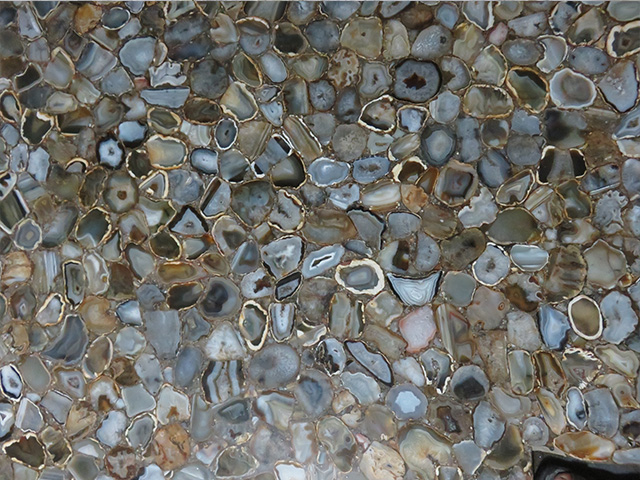
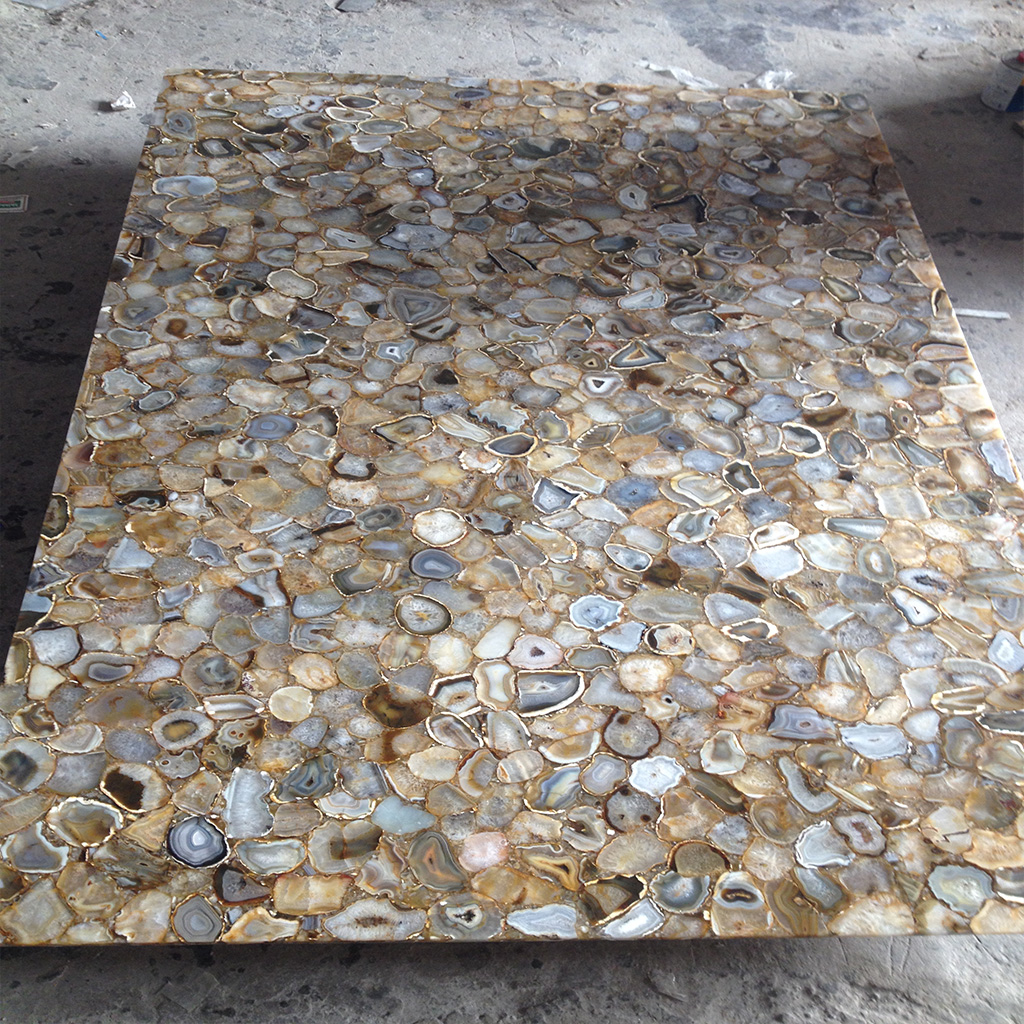
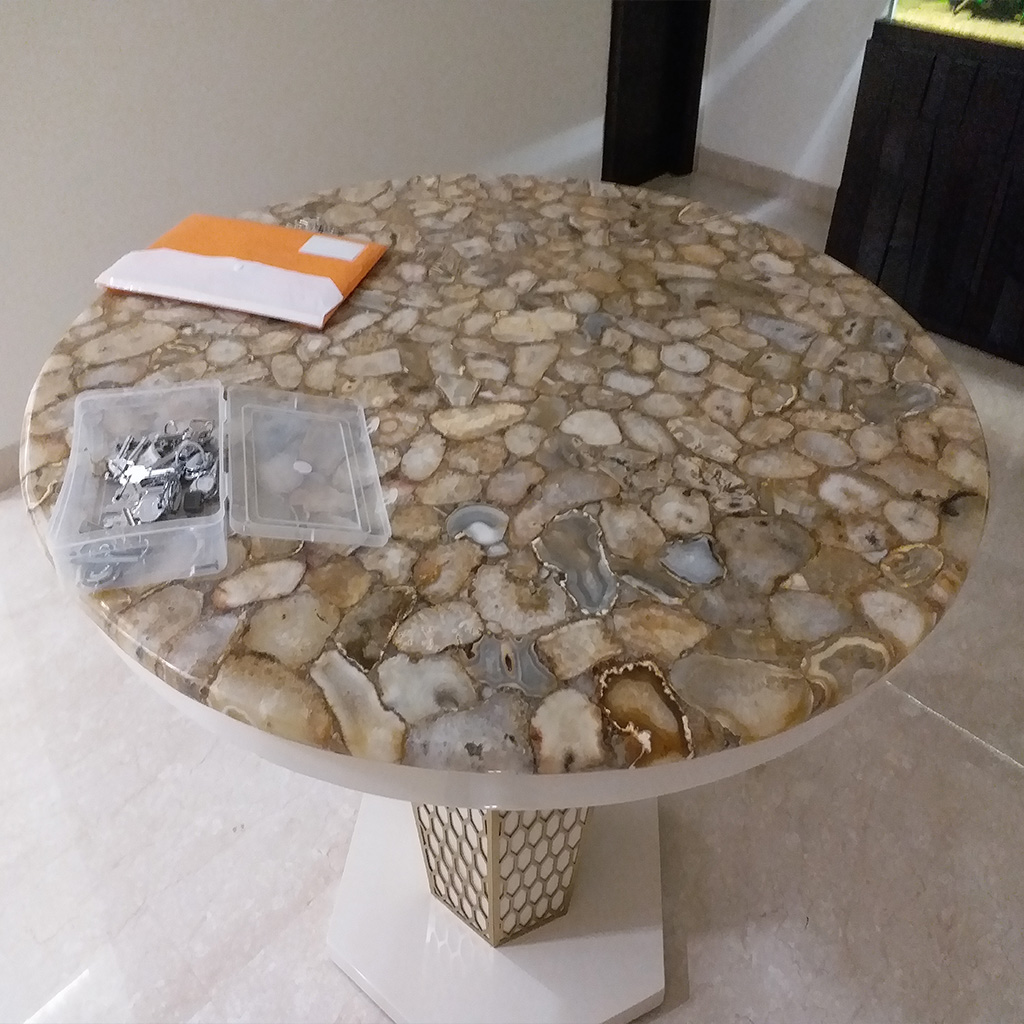
Mix agate refers to a collection of agate pieces — in whatever form, whether beads, cabochons, tumbled stones, or slabs — that intentionally brings together multiple colour varieties and banding patterns within the agate family. Rather than selecting for a single, uniform colour, mix agate celebrates the range: blue alongside grey, golden amber next to deep green, banded white and brown specimens beside vivid dyed pieces, translucent honey tones alongside opaque black.
The underlying material in all cases is chalcedony — the microcrystalline quartz family that forms the basis of all agate. What changes from specimen to specimen is the mineral chemistry during formation: iron oxides produce reds, oranges, and golds; chlorite and celadonite give greens; manganese compounds contribute pinks and purples; low mineral concentrations produce grey and white; carbon inclusions create black. Each colour tells the story of a different geological environment, a different combination of minerals in the groundwater, a different set of conditions in the rock cavity where the stone formed.
When you bring these varieties together as mix agate, you are not simply creating a product that is colourful. You are assembling a cross-section of what the agate family can produce across different geologies, different source regions, and different formation conditions. This is what gives a well-assembled mix its coherence despite its variety — the pieces are different, but they are all expressions of the same fundamental material.
“Crafted with Passion, Shaped by Nature.”
Copyright © Anjili Stones Crafts | All rights reserved.
WhatsApp us