Pink is a colour that carries assumptions. It gets described as delicate, feminine, gentle — and sometimes those descriptions lead people to underestimate the stones that wear it. Pink agate does not deserve that underestimation. Beneath its soft, appealing surface is a material with genuine toughness, remarkable visual complexity, and a versatility that extends well beyond the contexts where pink is typically expected.
At Anjili Stones Crafts, pink agate is one of the materials that surprises people most — not because of its colour, but because of the depth and range of what that colour can be. A pale blush barely touched by pigment. A warm, peachy rose. A deeper, more saturated dusty pink with a grounding earthiness. And in the banded specimens that represent this stone at its most compelling, all of these tones moving across a single piece in layers that record millions of years of geological time.
This piece is our account of pink agate: what it is, where it comes from, how the colour is produced, and what makes it worth choosing across a remarkable range of applications.
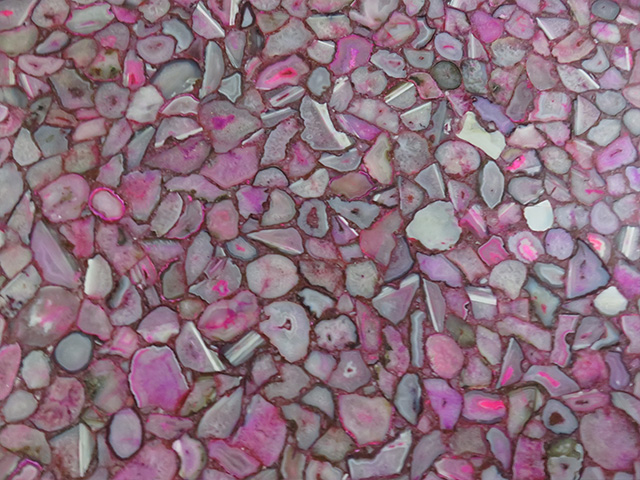
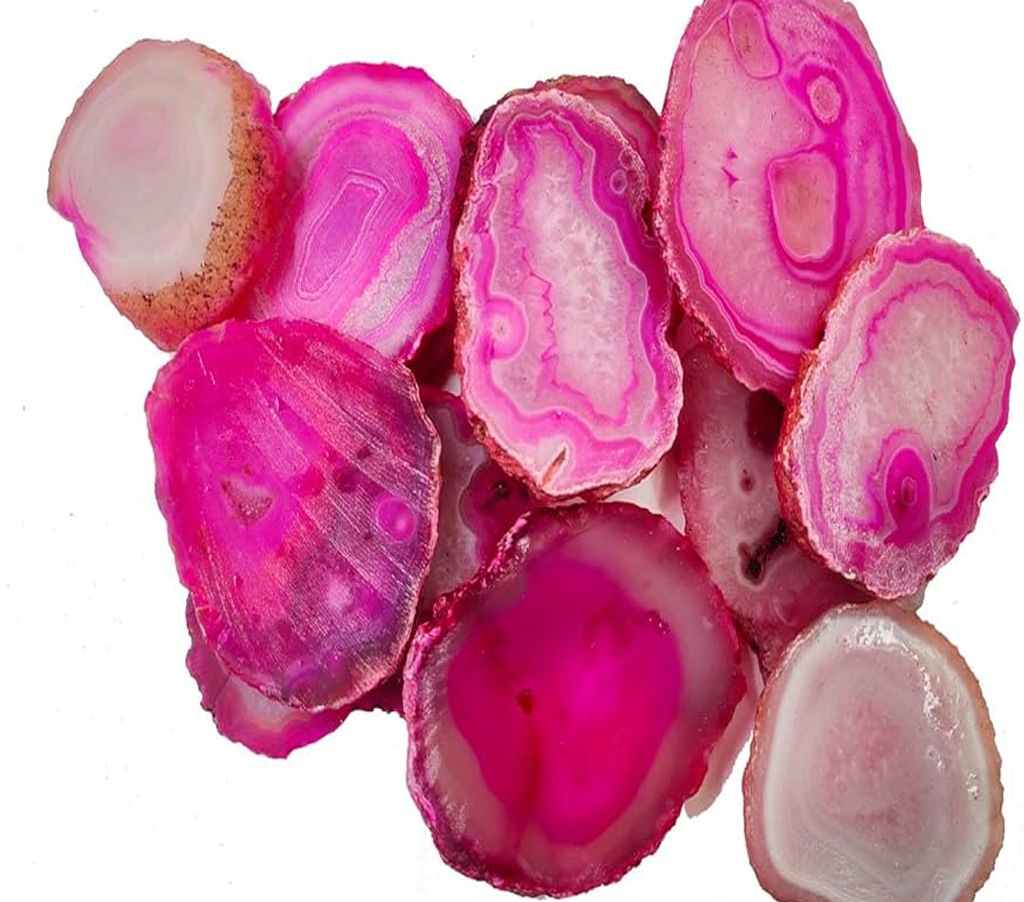
Pink agate is a variety of chalcedony — the microcrystalline quartz family that encompasses most of the world’s banded stones. Like all agates, it forms through the slow deposition of silica-rich layers inside rock cavities over geological time. What distinguishes pink agate is the presence of mineral compounds during formation that impart pink, rose, and blush tones to the chalcedony layers.
The pink colouration in agate comes from several possible sources. Iron oxide in certain oxidation states can produce pink tones, particularly in combination with the natural translucency of chalcedony. Manganese compounds — the same family of minerals responsible for the pinks in rhodonite and rhodochrosite — contribute richer, more saturated pinks in some deposits. In other cases, fine inclusions of mineral particles scatter light in ways that produce warm, soft pink hues without a single dominant colouring agent.
It is important to be direct about treatment in the context of pink agate. Many of the pink agate specimens available commercially are dyed — the stone’s naturally porous chalcedony structure accepts colour treatment readily, and the vivid, uniform pinks that are most popular in the market are frequently the result of this process. Natural pink agate does exist: Botswana agate produces beautiful natural pinks and blush tones, and certain Brazilian deposits yield material with genuine pink colouration. But these natural specimens tend toward softer, more complex tones rather than the saturated, even pinks of treated material.
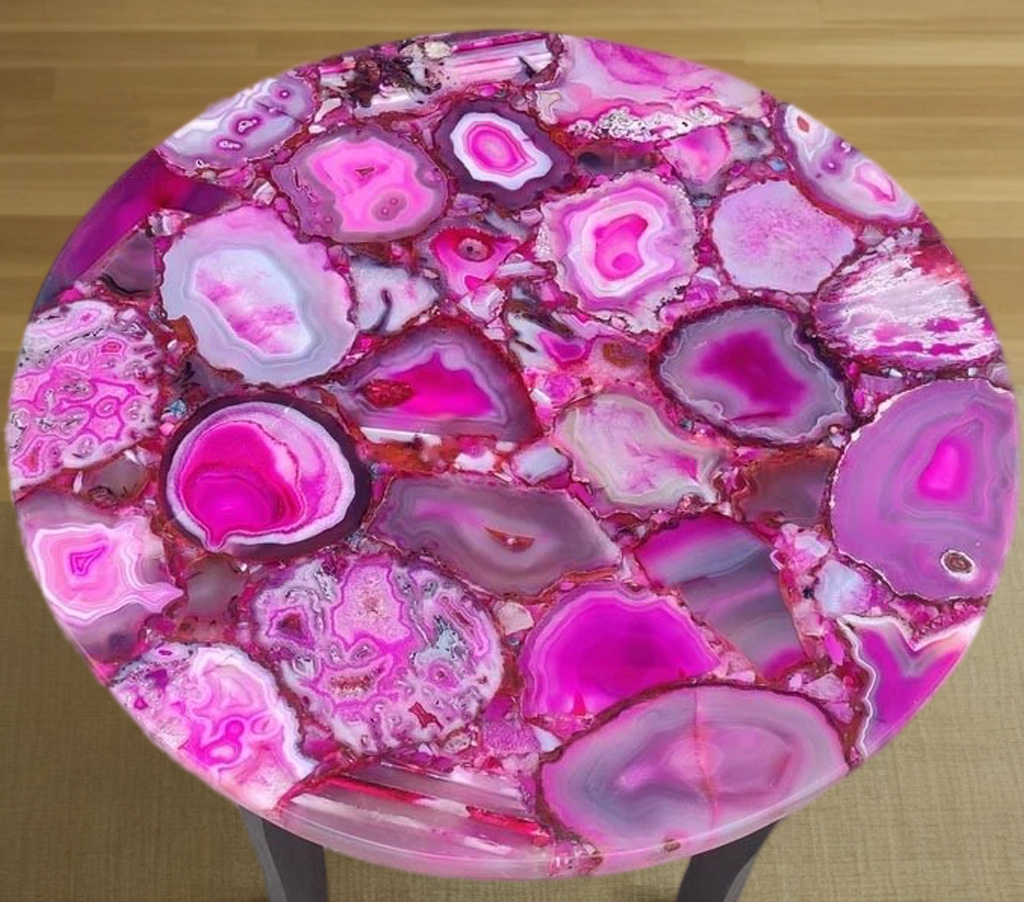
Both natural and treated pink agate are entirely legitimate and valuable materials. The distinction matters for collectors and for buyers who are choosing between specimens for specific reasons, and at Anjili Stones Crafts, we are always clear about which we are offering. For most practical applications — jewellery making, interior design, decorative use — the performance of the stone is the same regardless of whether the colour is natural or treated.
“Crafted with Passion, Shaped by Nature.”
Copyright © Anjili Stones Crafts | All rights reserved.
WhatsApp us